
Turnover day is exciting — you’re finally getting the keys to a unit you’ve likely been waiting months or years for. But it’s also the single most important moment to catch construction defects, because once you sign the turnover acceptance form, many developers consider outstanding issues “accepted” unless you’ve documented them first.
A rushed 15-minute walkthrough with a developer representative standing next to you is not the same as a thorough check. Here’s what to actually look for before you sign.
Why Turnover Inspections Matter More Than People Realize
Once you accept turnover, the burden often shifts to you to prove a defect existed at handover rather than being caused afterward. Developers typically offer a defects liability period (commonly 12 months, but check your contract), during which they’re obligated to fix documented issues — but only if you catch and report them properly, ideally before or immediately at turnover.
Walls, Ceiling, and Flooring
- Walls: check for cracks, uneven paint, or visible patching — construction defects are often painted over rather than properly fixed
- Ceiling: look for water stains, uneven texture, or signs of a rushed finish
- Flooring: check for warped planks, hollow-sounding tiles, or uneven transitions between rooms — press down near seams and walk the full unit, not just the areas near the entrance
Doors, Windows, and Frames
- Test every door — does it open, close, and lock smoothly without scraping the floor or frame?
- Check window seals for gaps or missing weather-stripping
- Look at door frame joints for rough, unfinished edges or visible gaps
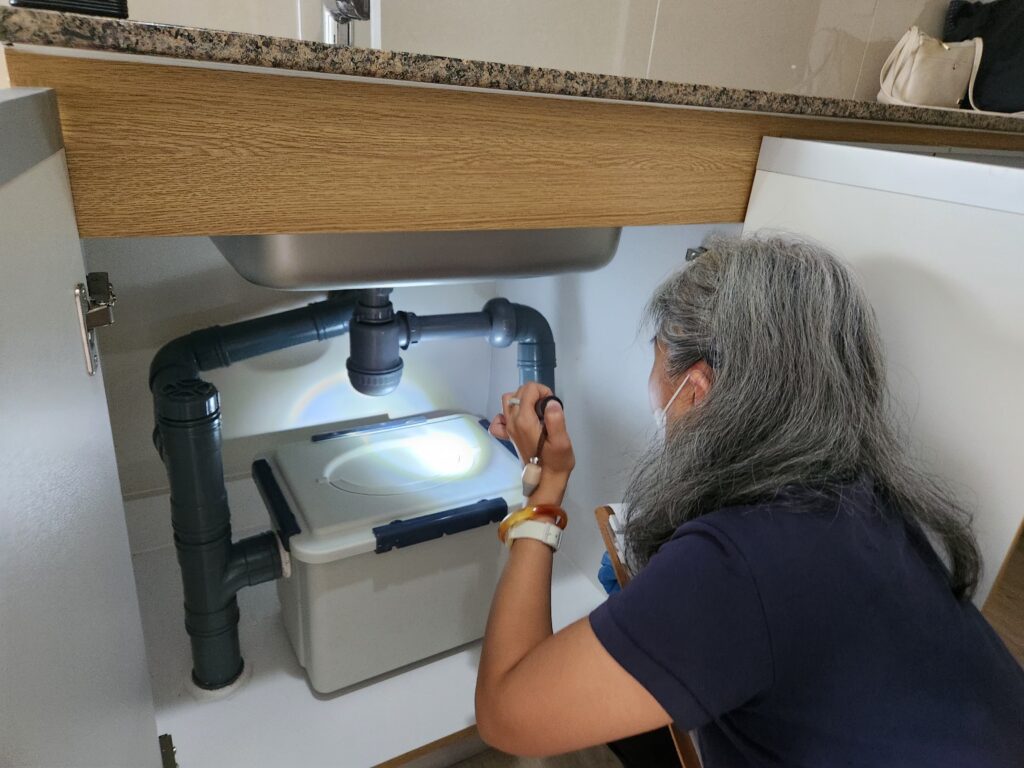
Plumbing — Test Everything, Don't Just Look
- Run every faucet to check water flow and pressure
- Check under sinks for damp cabinet flooring or active drips — a brand-new unit shouldn’t have this, and if it does, it’s a clear defect to flag
- Flush the toilet and check for a stable base, no rocking or leaking at the connection
- Check the shower drain by running water and watching how quickly it clears
Electrical — Test Every Outlet and Switch
- Test every light switch and outlet — bring a small device (like a phone charger) to actually test outlets, not just visually inspect them
- Check the breaker panel is properly labeled and accessible
- Look for any exposed wiring or incomplete electrical finishing
Starting to feel like a lot to check in one rushed turnover appointment? That’s exactly why this list exists — and why a lot of owners choose to have someone else handle it. If you’d rather not test every outlet and inspect every seam yourself while a developer rep waits nearby, Property Check PH can do this walkthrough for you — fully documented, delivered within 24 hours. Book a consultation →
Kitchen and Bathroom Fixtures
- Check cabinet doors and drawers for alignment and smooth operation
- Look at countertop edges and backsplash for proper sealing — gaps here often lead to water damage later
- Test any included appliances (rangehood, if provided) for basic function
Aircon and Ventilation
- If aircon is included, check that it’s properly installed and mounted, with no visible water staining on the wall beneath it
- Test that it powers on and airflow is functional
Document Everything Before You Sign
This is the step people skip under time pressure, and it’s the most important one:
- Take photos and video of every defect you find, with clear, well-lit shots
- Note the date and time of your inspection
- List defects clearly on the turnover acceptance form itself if there’s space, or attach a separate written list
- Keep a copy of everything you submit to the developer
Verbal agreements (“don’t worry, we’ll fix that”) without documentation are difficult to enforce later. A written, photographed record protects you if the developer’s follow-through is slower than promised.
A Note on Scope
A turnover walkthrough like this is a visual and functional check — it’s designed to catch cosmetic, functional, and finishing defects that are common at handover. It’s not a structural or engineering assessment. If something looks like a genuine structural concern (not just a finishing defect), that’s worth flagging separately for a specialist opinion.
Should You Do This Yourself, or Bring Someone Independent?
If you’re confident and have the time, you can walk through this checklist yourself — bring a flashlight, a phone charger to test outlets, and take your time rather than rushing through with the developer’s representative hovering. But if you want a documented, independent record — especially useful if disputes arise later — an independent inspection gives you exactly that, without the pressure of doing it all in one rushed visit.
Property Check PH conducts full visual turnover inspections for condos across Metro Manila, with complete photo and video documentation delivered within 24 hours — giving you a clear, dated record before you sign. Book a consultation before your turnover appointment.