
5 Signs of Termite Damage Every Homeowner Should Check For
Termites don’t announce themselves. By the time damage is obvious — sagging wood, a collapsed structure, or a visible swarm — the problem has usually been developing for months, sometimes years. For houses and townhouses especially, where wood framing, fencing, and yard vegetation all sit close to the structure, early detection makes the difference between a minor treatment and a major repair bill.
Here’s what to actually look for.
1. Mud Tubes Along Exterior Walls
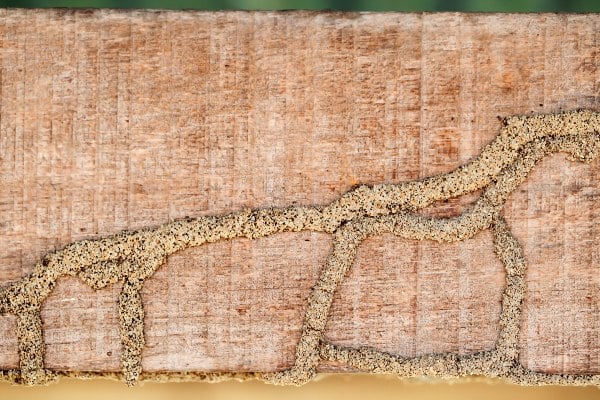
One of the clearest signs of subterranean termites is mud tubes — thin, pencil-width trails of dried mud running along exterior walls, foundation edges, or fence posts. Termites build these tubes to travel between their nest and a food source while staying protected from open air.
What to check: Walk the perimeter of your house, paying close attention to where walls meet the ground, and look closely near fence posts and garden walls.
2. Discarded Wings Near Windows or Entry Points After
After a termite colony matures, winged termites (called swarmers) leave the nest to start new colonies. If you find small, uniform, translucent wings scattered near window sills, door frames, or light fixtures, it’s a strong sign a colony is active nearby — even if you never see the swarm itself.
What to check: Window sills and door frames, especially after humid weather, which tends to trigger swarming.
3. Hollow-Sounding or Damaged Wood
Termites eat wood from the inside out, which means damage is often invisible until the wood is tapped or pressed. Affected wood may sound hollow, feel soft, or crumble under light pressure.
What to check: Door frames, wooden fencing, stair treads and handrails (especially in duplex or loft-style homes), and any exposed wood structures in the yard or garage.
4. Discarded Debris That Looks Like Sawdust or Droppings
Depending on the termite species, you may find small piles of what looks like sawdust or pellet-like droppings near baseboards, window frames, or wooden furniture. This is often mistaken for ordinary dust or debris — worth a closer look if you notice a consistent pile forming in the same spot.
What to check: Along baseboards, upper corners of cabinets, and near any wooden fixtures showing other warning signs.
5. Overgrown Vegetation or Debris Touching the House
This one’s indirect, but important: overgrown plants, stacked firewood, or discarded wood debris pressed against exterior walls creates a bridge termites can use to reach your home without needing to build visible mud tubes. Yards with dead trees or untreated wood piles near the foundation are at higher risk.
What to check: The perimeter of your yard — particularly any vegetation or debris in direct contact with exterior walls or the foundation.
Why Termite Damage Is Easy to Miss During a Quick Walkthrough
A standard walkthrough — the kind you’d do before buying, or a quick check between tenants — rarely includes closely inspecting fence posts, tapping wood for hollow sounds, or checking yard debris against exterior walls. These aren’t things you’d notice from a casual glance, which is exactly why termite damage often goes undetected until it’s already extensive.
What to Do If You Spot Warning Signs
If you notice any of these signs, the next step isn’t necessarily panic — it’s getting a proper assessment. A visual inspection can document the extent of visible signs (mud tubes, wood damage, wing debris) so you know what you’re dealing with. For active infestations or structural concerns, a licensed pest control specialist is the right next step for treatment.
Catching It Early, Documented Properly
Whether you’re buying a house, checking on a property you own from abroad, or simply doing routine maintenance, a documented visual inspection covering the full exterior and yard — not just the interior — is the most reliable way to catch these signs before they become a much bigger problem.
Property Check PH conducts full visual inspections for houses and townhouses across Metro Manila, covering both interior and exterior — including yard, fencing, and structural wood elements — with a complete photo and video report delivered within 24 hours. Book a consultation to get a clear picture of your property’s condition.