
Visual Inspection vs. Engineering Inspection: What's the Difference?
“Inspection” gets used loosely in real estate — and that looseness causes real confusion. Some buyers assume any inspection service checks structural integrity. Some sellers assume a walkthrough report is legally binding. Neither is necessarily true, and the difference matters for what you can actually expect from a report.
Here’s the distinction, in plain terms.
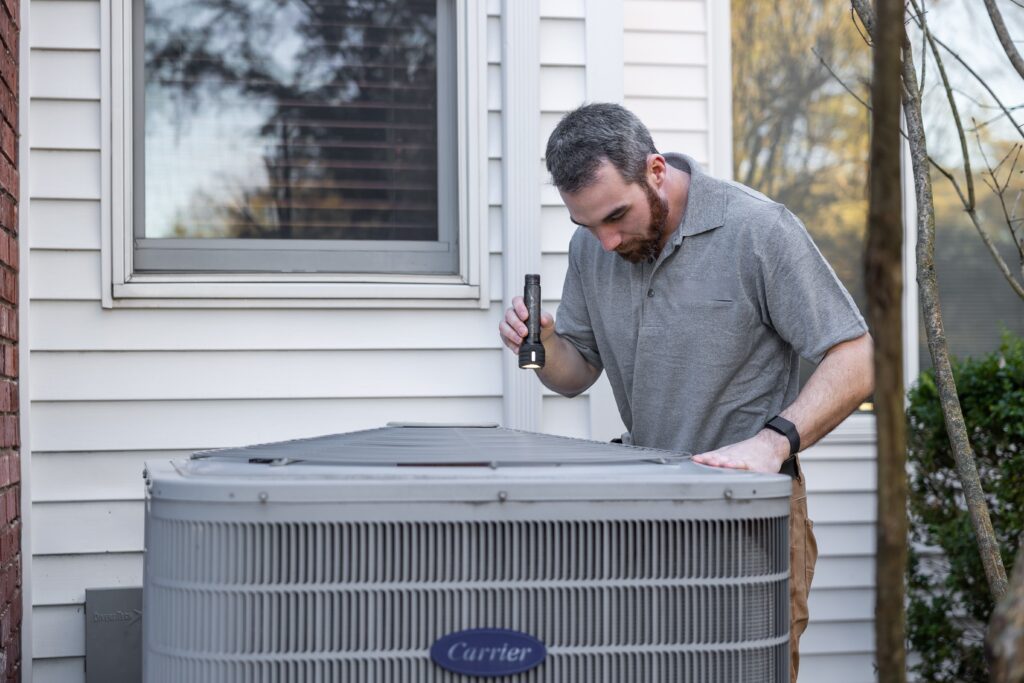
What a Visual Inspection Actually Covers
A visual inspection is exactly what it sounds like — a trained, systematic look at what’s observable without specialized equipment or invasive testing. This typically includes:
- Walls, ceilings, and flooring for visible cracks, stains, or damage
- Plumbing fixtures for visible leaks, water flow, and drainage
- Electrical outlets, switches, and breaker panels for visible issues
- Doors, windows, and general functional condition
- Signs of pests, mold, or water damage
- Safety essentials like smoke alarms and fire extinguishers
The output is a documented, photo-and-video-backed report on what a trained inspector can see and functionally test — a genuinely useful, evidence-based picture of a property’s condition.
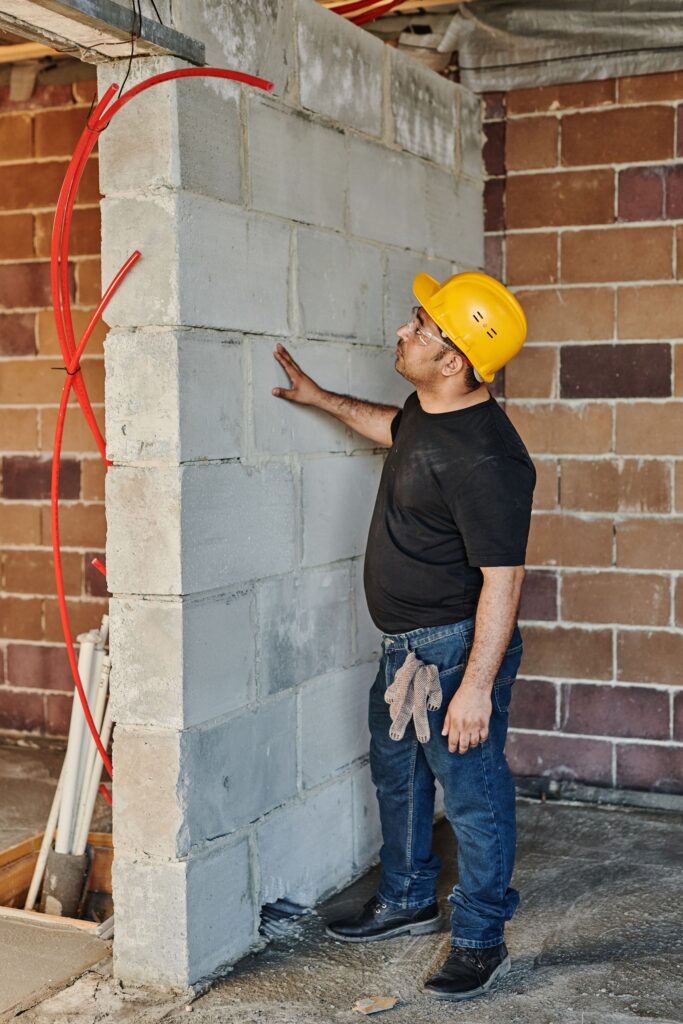
What an Engineering Inspection Covers (and Why It's Different)
A structural or engineering inspection is a different discipline entirely, usually performed by a licensed civil or structural engineer. It typically involves:
- Assessing load-bearing walls, foundations, and structural framing
- Evaluating whether a structure meets building code and safety standards
- Identifying structural risks not visible without specialized knowledge — like foundation settling patterns or reinforcement issues
- Often requires specialized tools, technical calculations, and formal certification
This is a licensed, technical assessment — not something a visual walkthrough can substitute for, and not something every property transaction requires.
Why This Distinction Matters to You
If you’re buying, renting out, or managing a property, knowing which one you actually need (or are being offered) prevents two common mistakes:
Mistake 1: Assuming a visual inspection covers structural safety. A visual inspection can flag visible signs that might suggest a structural concern — a large crack, a leaning wall, visible foundation issues — but it cannot certify structural integrity. If something looks concerning, the right next step is bringing in a licensed engineer for a proper assessment.
Mistake 2: Paying for engineering-level services when a visual inspection is all you need. Not every situation calls for a structural engineer. If you’re an OFW checking whether your condo is being maintained, a landlord verifying tenant-caused damage, or a buyer wanting a general condition check before purchase, a visual inspection is often the right, more affordable tool for the job.
Can You Get Both?
Yes — and in some cases, it’s the smart sequence. A visual inspection can serve as a first pass: fast, affordable, and thorough enough to catch most day-to-day condition issues. If it turns up something that looks structurally concerning, that’s the signal to bring in a licensed engineer for a focused, deeper assessment — rather than paying for a full engineering evaluation upfront when it may not be necessary.
How Property Check PH Fits Into This
We’re a visual inspection service — not an engineering firm, and we’re upfront about that with every client. Our inspections cover the full range of visible, functional condition checks: plumbing, electrical, structural-adjacent visible signs (observable clues like wall cracks or sticky doors that point to hidden foundation movement), pests, water damage, and safety essentials, all documented with photos and video.
If something we find looks like it needs a specialist’s opinion, we’ll flag it clearly in your report — so you know exactly when it’s time to bring in additional expertise, rather than assuming our report already covers it.
Choosing the Right Inspection for Your Situation
A simple way to think about it:
- Buying a resale condo or house? A visual inspection covers most practical concerns — plumbing, electrical, pests, general condition.
- Noticed visible structural warning signs — large cracks, leaning walls, visible foundation issues? That’s when an engineering assessment becomes worth the added cost.
- Managing a rental or checking on a property from abroad? A visual inspection is typically exactly what you need — documented, fast, and focused on the day-to-day condition that actually affects habitability and value.
Property Check PH conducts independent visual inspections for condos, houses, and townhouses across Metro Manila, with full photo and video documentation delivered within 24 hours. Book a consultation to get a clear, honest picture of your property’s condition.